Plastics, BPA & Sperm Count: What the Research Really Shows (and How to Test)
Plastic exposure is no longer just an environmental issue—it’s a fertility and hormone health issue. Emerging research shows that chemicals like BPA (bisphenol A) and phthalates—commonly found in plastics—may negatively impact sperm count, quality, and male reproductive health.
For patients in Brock, Weatherford, Aledo, and Fort Worth, Texas, this is an important (and often overlooked) root cause of hormone imbalance and infertility.
🧬 What Is BPA & Why It Matters


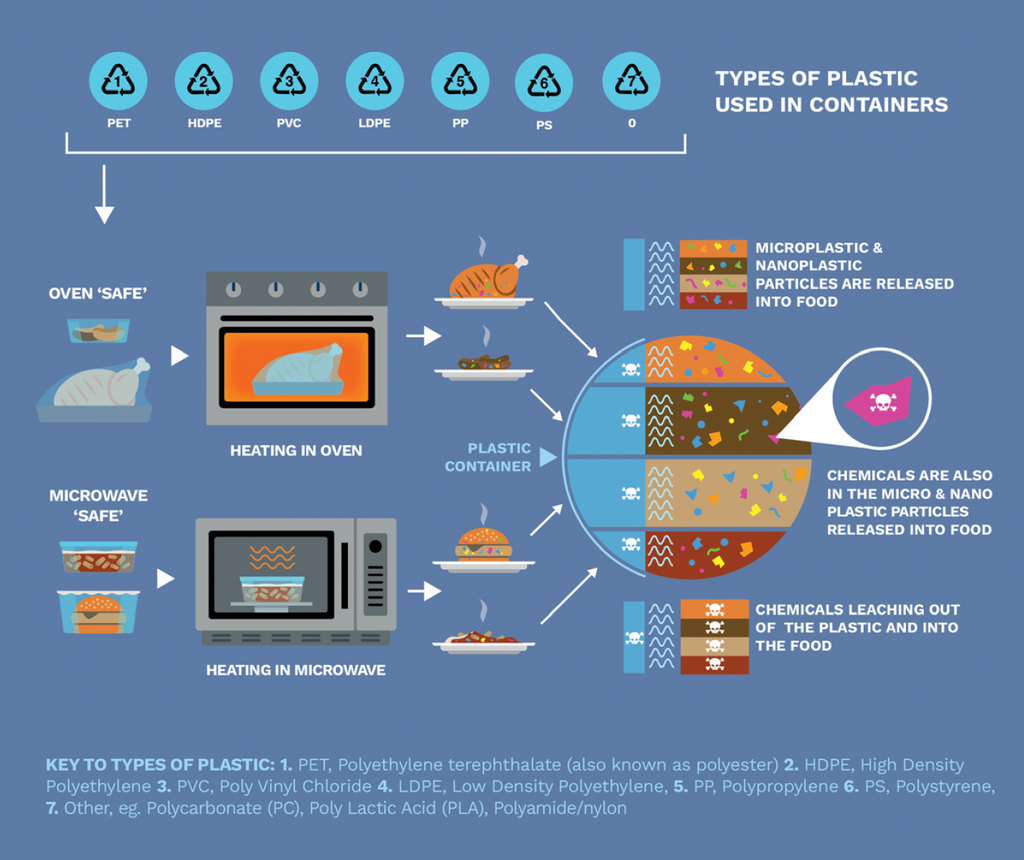

BPA is a chemical used in plastics and food packaging. It acts as an endocrine disruptor, meaning it mimics estrogen and interferes with hormone signaling.
Over 90% of people have detectable BPA levels (PMC)
BPA can enter the body through food, water, and skin contact (PMC)
🔬 Research: BPA and Lower Sperm Count
📉 Human & Meta-Analysis Data
A 2024 systematic review found that:
Higher BPA levels were negatively correlated with sperm concentration and total sperm count
BPA exposure also altered hormones, increasing estrogen and reducing active testosterone (MDPI)
🧪 Animal & Mechanistic Studies
BPA exposure has been shown to decrease sperm count and increase abnormalities in animal models (Nature)
It disrupts the hypothalamic–pituitary–gonadal axis, impairing sperm production (PMC)
BPA can damage sperm through oxidative stress and mitochondrial dysfunction (PMC)
🧠 Key Takeaway
Even though some human studies vary, the overall trend strongly suggests BPA contributes to declining sperm quality and hormonal disruption.
⚠️ Phthalates & Male Fertility
Phthalates (found in soft plastics, fragrances, and packaging) may be even more concerning.
📊 Research Findings
Higher phthalate levels are linked to:
↓ sperm concentration (−5.3%)
↓ total sperm count (−5.7%)
↓ motility (PMC)
Phthalates are also associated with:
Lower testosterone
Increased sperm DNA damage
Reduced sperm morphology (PMC)
Exposure can trigger sperm cell apoptosis (cell death) and reduced motility (PMC)
🧠 Do Plastics Lower Sperm Count?
Yes—research shows that BPA and phthalates are associated with lower sperm count, reduced motility, hormone disruption, and poorer fertility outcomes. The strongest evidence comes from meta-analyses and mechanistic studies showing endocrine disruption and oxidative damage.
🧪 How to Test for BPA & Phthalates
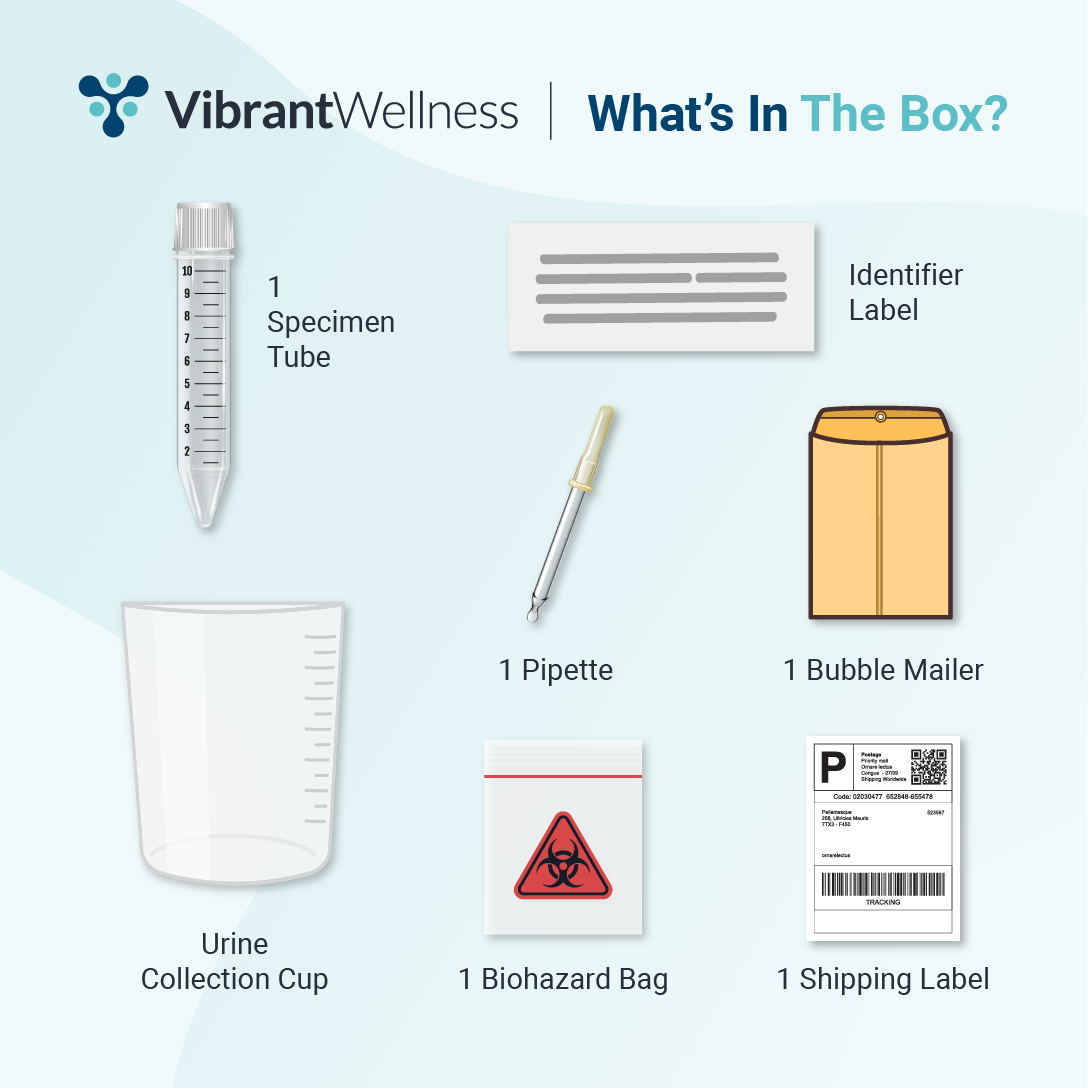
At Straight 2 U Wellness (Brock, TX), we use advanced testing from Vibrant Wellness to assess toxic burden.
🔍 What Testing Includes:
BPA metabolites
Phthalate metabolites (MEP, MEHP, etc.)
Environmental toxin panel
Detox pathway function
🧠 Why This Matters
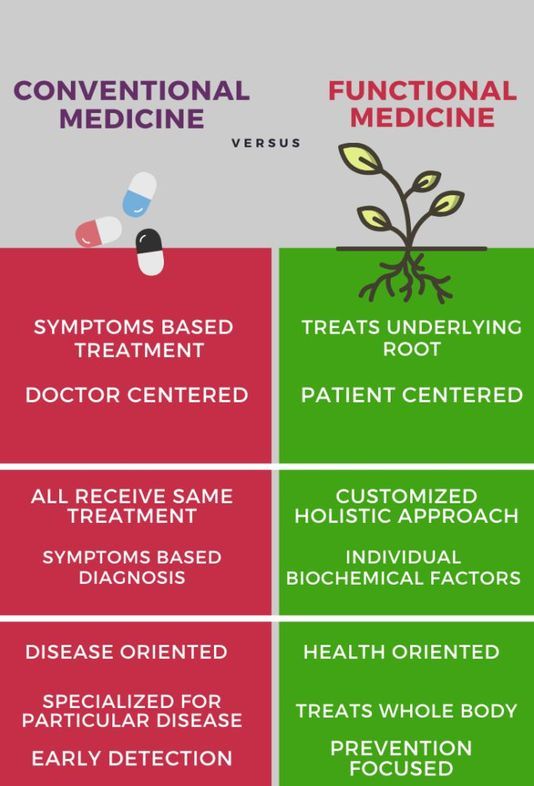
Standard labs do NOT test for these toxins. Functional testing helps identify:
Hidden causes of infertility
Hormone disruption
Detox inefficiencies
🌿 What To Do If Levels Are Elevated
1. Reduce Exposure
Avoid heating food in plastic
Use glass/stainless steel containers
Choose clean personal care products
2. Support Detox
Cruciferous vegetables (broccoli, kale)
Fiber for toxin binding
Hydration + sweating therapies
3. Targeted Supplements
Glutathione
NAC
Calcium-D-glucarate
Zinc (important for sperm health)
📍 Local Functional Medicine Support in Texas
At Straight 2 U Wellness, we help patients across:
Brock
Weatherford
Aledo
Fort Worth
We focus on:
✔ Root-cause testing
✔ Hormone optimization
✔ Fertility support
✔ Personalized detox protocols
✅ Take the Next Step
If you’re struggling with low testosterone, infertility, or unexplained symptoms, toxins like BPA and phthalates may be part of the picture.
👉 Book your consultation:
https://straight2uwellness.janeapp.com/
📞 Call: 817-382-7867
Final Thought
Sperm counts have been declining globally—and plastics may be one of the biggest hidden drivers. The good news? You can test, reduce exposure, and restore balance. You can get detox vitamins at Roots Vitamin Shop.


No comments:
Post a Comment